
Blog
Should You Cut Back Perennials in Fall?
Sep
As the growing season winds down in Massachusetts, it’s tempting to give every garden bed a thorough cleanup before winter. But before cutting every perennial to the ground, consider leaving some healthy stems and seed heads standing.
Selective fall cleanup can help keep your garden healthy while providing food and shelter for birds, beneficial insects, and other wildlife throughout the colder months.
Why Leave Some Perennials Standing?
Faded flowers and dried stems may not look as colorful as they did during summer, but they can still play an important role in the garden.
Leaving selected plants standing can:
- Provide seeds for birds
- Offer shelter for beneficial insects
- Create overwintering habitat
- Add texture and structure to winter gardens
- Protect plant crowns during cold weather
- Reduce unnecessary fall cleanup
A slightly less tidy garden can actually be a more wildlife-friendly garden.
Perennials Worth Leaving
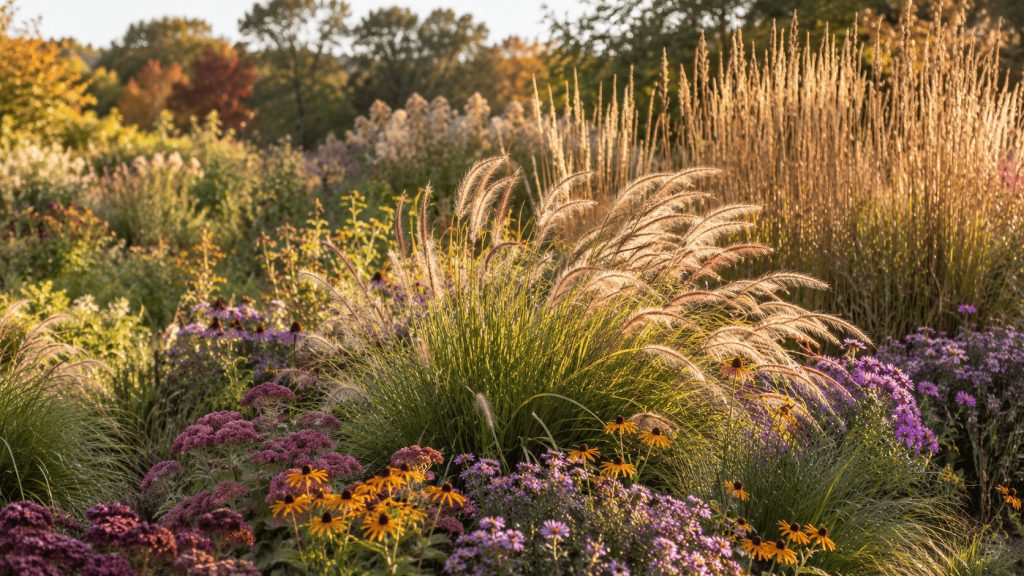
Plants with sturdy stems, interesting seed heads, or wildlife value are often excellent candidates to leave through winter.
Consider leaving:
- Coneflowers
- Black-Eyed Susans
- Asters
- Goldenrod
- Sedum
- Ornamental grasses
Their dried flowers and seed heads can provide natural food sources while adding shape and movement to the winter landscape.
What Should You Cut Back?
Fall cleanup is still important when plants show signs of disease or significant damage.
Consider removing:
- Diseased foliage
- Rotting or damaged stems
- Plants with significant fungal problems
- Collapsed or unhealthy growth
- Spent annuals
- Weeds before they produce more seeds
Removing unhealthy plant material can help reduce the chance of certain garden problems carrying into the next growing season.
Leave Healthy Stems for Beneficial Insects
Some beneficial insects use hollow or pithy plant stems for nesting and overwintering.
Instead of cutting every healthy perennial down to ground level, consider leaving some stems standing. You can finish cleaning them up in spring as temperatures warm and the garden begins waking up.
Let Ornamental Grasses Stand
There’s no need to cut ornamental grasses down in fall.
Their dried foliage and seed heads add height, texture, and movement to the winter landscape. They can also provide valuable cover for wildlife.
Most can be cut back in late winter or early spring before fresh growth begins.
Save Some Seed Heads for the Birds
Those dried flower heads aren’t necessarily garden clutter.
Coneflowers, Black-Eyed Susans, and other seed-producing perennials can provide natural food for visiting birds. Leaving them standing can bring more activity to your winter landscape.
Clean Up Selectively
Fall garden cleanup doesn’t have to be all or nothing.
Remove diseased material, weeds, and plants that have become problematic. Then consider leaving healthy stems, seed heads, and ornamental grasses where appropriate.
You’ll have less work to do this fall while creating a landscape that continues to provide interest and support wildlife through winter.
Frequently Asked Questions
Should I cut all my perennials back in fall?
No. Many healthy perennials can remain standing through winter, especially those with sturdy stems or seed heads.
Which perennials should I leave standing?
Coneflowers, Black-Eyed Susans, asters, goldenrod, sedum, and ornamental grasses are good candidates.
Should diseased plants be cut back?
Yes. Diseased or badly damaged plant material is generally better removed rather than left in the garden over winter.
When should I cut back ornamental grasses?
Most ornamental grasses can remain standing through winter and be cut back in late winter or early spring before new growth begins.
Why should I leave seed heads?
Seed heads can provide food for birds while adding natural texture and winter interest to the landscape.
Visit Crystal Lake Garden Shop
Not sure what should stay and what should go? Visit Crystal Lake Garden Shop for fall gardening supplies, perennials, and help preparing your Massachusetts garden for the seasons ahead.
Crystal Lake Garden Shop, Plymouth
252 Summer Street
Plymouth, MA 02360
Open 7 Days: 9 AM to 5 PM
Crystal Lake Garden Shop, Carver
19 West Street
Carver, MA 02330
Open 7 Days: 9 AM to 5 PM
