
Blog
Winter Pruning Basics: What to Cut Back and What to Leave Alone
Jan
Winter is one of the best times to prune many trees and shrubs, but it’s also a season when mistakes can easily happen. Knowing what to cut back and what to leave alone helps protect plants from unnecessary stress, preserves spring blooms, and sets the stage for healthy growth once warmer weather returns.
At Crystal Lake Garden Shop, winter pruning is about understanding plant habits, local conditions, and proper timing — especially here in Southeastern Massachusetts.
Why Winter Is a Good Time to Prune
During winter, many plants are dormant, making it easier to see their structure without leaves in the way. Dormant pruning reduces stress on plants and allows energy to be redirected into strong new growth in spring. Cold temperatures also limit insect activity and disease spread, making winter a cleaner time to prune.
What You Can Safely Prune in Winter
Deciduous Trees
Most shade and ornamental trees, including maple, oak, birch, and elm, can be pruned during winter. Focus on removing dead, damaged, or crossing branches and improving overall structure.
Fruit Trees
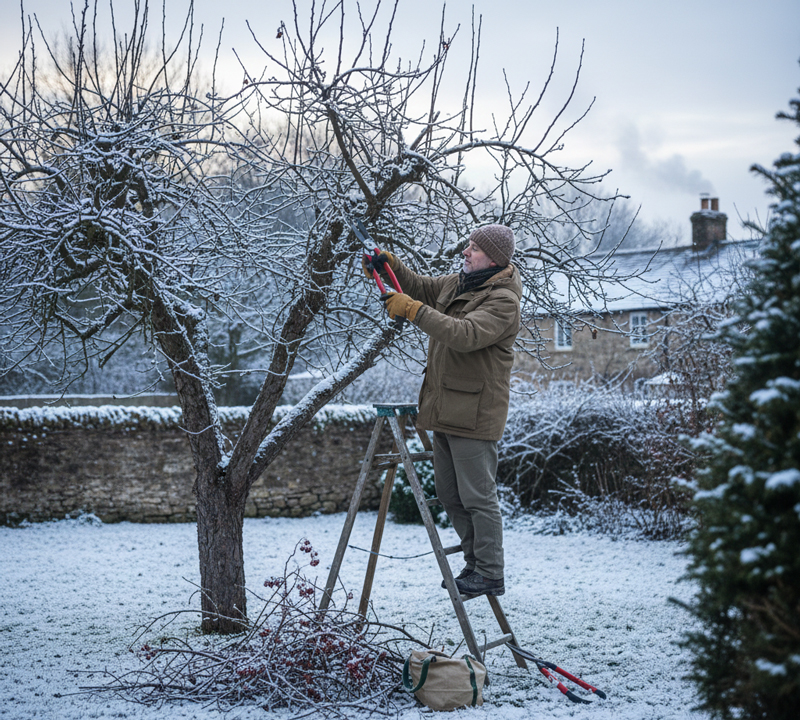
Apple and pear trees benefit from winter pruning. Removing excess growth helps improve airflow, sunlight penetration, and fruit production later in the season.
Summer-Flowering Shrubs
Shrubs that bloom on new wood can be pruned in winter or early spring. These include butterfly bush, rose of Sharon, and certain hydrangeas such as paniculata and arborescens.
Dead or Diseased Branches
Dead, broken, or diseased wood can be removed at any time of year, including winter.
What to Leave Alone Until Spring
Spring-Flowering Shrubs
Plants such as lilac, forsythia, azalea, rhododendron, and viburnum set their flower buds the year before. Pruning them in winter can remove those buds and reduce spring blooms.
Evergreens
Most evergreens require very little winter pruning. Heavy pruning during cold weather can stress plants and increase the risk of winter burn.
Newly Planted Shrubs and Trees
Young or recently planted plants benefit from minimal disturbance during winter while they continue establishing roots.
Tips for Successful Winter Pruning
Use clean, sharp tools to make precise cuts. Prune back to a healthy bud or branch collar, and avoid removing more than one quarter of a plant’s growth in a single season. When unsure, it’s often best to wait until spring.
Winter Pruning FAQs
Can I prune when temperatures are below freezing?
It’s best to prune on milder winter days when temperatures are above freezing to prevent brittle branches from cracking.
How much should I prune at once?
Avoid removing more than 25 to 30 percent of a plant’s growth in one season.
Will pruning the wrong plant in winter kill it?
Pruning spring-flowering shrubs in winter usually won’t kill them, but it can reduce or eliminate blooms for that season.
Do pruning cuts need to be sealed?
No. Most plants heal naturally, and wound sealants are generally unnecessary.
Should I prune after snow or ice storms?
Wait until branches are visible and conditions are safe. Damaged branches can be removed once weather improves.
Pruning With Confidence
Winter pruning doesn’t have to be intimidating. With the right knowledge and a thoughtful approach, pruning now can lead to healthier plants, stronger growth, and better flowering in the seasons ahead.
Crystal Lake Garden Shop is currently closed for the winter as we prepare for spring. We look forward to welcoming you back with expert guidance, unique plants, and everything you need to help your garden thrive year after year.
