
Blog
How Soil Health Impacts Your Garden (And How to Improve It)
Feb
Build Stronger Plants from the Ground Up
Healthy gardens begin with healthy soil. Whether you are growing flowers, vegetables, shrubs, or trees along the South Shore, the condition of your soil plays a major role in how well plants grow throughout the season. Many gardeners focus on watering and sunlight, but improving soil structure is often the most important step toward creating stronger roots, brighter blooms, and more resilient landscapes.
Why Soil Health Matters
Soil is more than just dirt. It is a living system filled with nutrients, organic matter, and beneficial microorganisms that help plants absorb what they need to thrive. When soil becomes compacted or depleted, plants may struggle with slow growth, poor color, or weak blooms. Improving soil health helps create balance, allowing roots to grow deeper and plants to handle changing weather conditions more easily.
Taking time during the winter months to learn about soil structure and plan improvements can make a noticeable difference once spring planting begins.
What Makes Healthy Garden Soil?
Compost
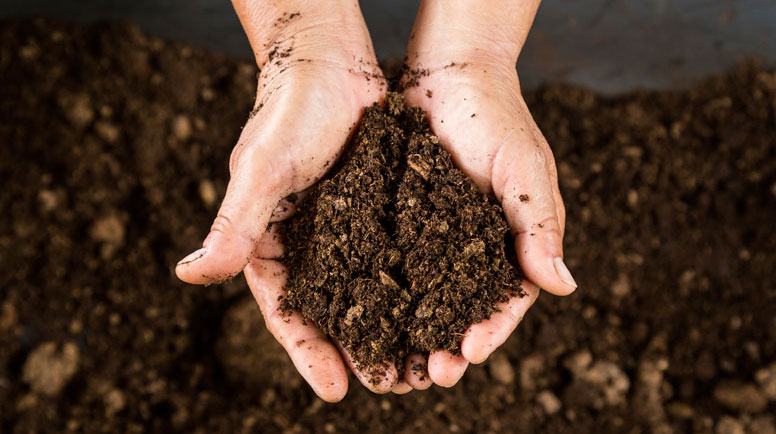
Compost enriches soil naturally by adding organic material that improves texture and moisture retention. It helps loosen dense soil while supporting beneficial microbes that encourage steady plant growth.
Organic Fertilizers
Organic fertilizers provide slow release nutrients that support long term soil health. Many gardeners prefer organic options because they build stronger soil over time instead of creating quick, temporary growth.
Soil Amendments
Soil conditioners and amendments improve airflow and drainage while helping roots develop properly. Adding amendments during garden planning makes planting easier and helps plants establish more quickly once the season begins.
How to Improve Soil Health Before Spring
Improving soil does not have to be complicated. Simple steps taken during the off season can create stronger results later.
• Add compost to garden beds to increase organic matter
• Use organic fertilizers to build steady nutrients
• Loosen compacted soil with amendments that improve structure
• Plan raised beds or refreshed planting areas using enriched soil mixes
Gardeners across Plymouth County often find that focusing on soil first leads to healthier plants and more vibrant landscapes.
Common Soil Challenges Along the South Shore
Local soil conditions can vary from sandy coastal areas to heavier ground that holds moisture. Understanding your soil type helps you choose the right compost and amendments for your space. Planning ahead during winter allows you to enter the growing season prepared instead of reacting to problems later.
Visit Crystal Lake Garden Center
Crystal Lake Garden Center is currently closed for the season and looks forward to welcoming customers back in the spring. The Plymouth location is at 252 Summer Street in Plymouth, Massachusetts, and the Carver shop is located at 19 West Street in Carver, Massachusetts. While both garden centers are closed during the winter months, gardeners can begin planning now and prepare to explore compost, organic fertilizers, and soil solutions when the stores reopen. For future information, the Plymouth store can be reached at 508 746 4439 and the Carver shop at 508 866 2873.
Start with Healthy Soil for a Stronger Garden
When soil health improves, everything above ground benefits. By focusing on compost, organic fertilizers, and thoughtful preparation, gardeners can create outdoor spaces that stay vibrant and resilient season after season.
